The silicon under the AI boom is getting expensive again
TrendForce (Sep 25): Citing Commercial Times, new long-term agreement prices for 2027 could rise about 15–25% for 12-inch epitaxial wafers and more than 40% for polished wafers as AI and CoWoS demand tighten supply. Spot prices may clear above existing contracts as early as the fourth quarter of 2026. SUMCO still says modest hikes do not pay for new greenfield plants.
What happened
On September 25, 2026, summarized Commercial Times and adjacent trade reporting on 12-inch silicon wafer pricing into 2027. The frame is materials, not foundry CapEx: long-term agreements (LTAs) that locked wafer prices in the pandemic era are coming up for renewal just as AI logic, memory, and advanced packaging pull harder on 12-inch starts.
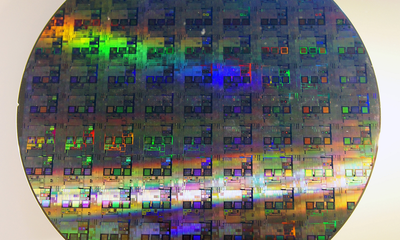
Commercial Times, via TrendForce, says new 2027 LTA prices could rise 15–25% for 12-inch epitaxial (epi) wafers — the polished base with an extra single-crystal silicon layer grown on top, widely used in advanced AI flows at foundries such as — and more than 40% for polished wafers. Some second-tier customers could see increases topping 50%, the same wrap notes. Read every percentage as reported trade-press color, not as a filed contract table.
Pricing power is also showing up in the spot market. Analysts cited in the report expect 12-inch spot prices to move above existing LTA levels as early as the fourth quarter of 2026, which would set a harder benchmark when 2027 contracts are renegotiated. Star Market Daily notes that some pandemic-era wafer contracts expire this year or next, and that raw material, electricity, and fab construction costs have climbed sharply over the past two to three years — the cost backdrop suppliers use when they ask for at least double-digit renewals.
Demand color in the same TrendForce piece is analyst-labeled and should stay light. Analysts cited by Commercial Times project total capacity up about 70.9% year on year in 2027, and AI ASIC shipments up about 44.9%, and combined CPU shipments from , , and up about 36% — all translating into more 12-inch wafer starts and silicon interposer demand. That is the packaging boom speaking through the wafer layer, not a forecast we are making.
Supplier geography stays Asia-heavy. TrendForce, citing Wccftech, notes and among the major names in a chain concentrated largely in Asia and Germany. Commercial Times expects ’ 12-inch average selling price to rise from about US$92 in 2026 to about US$122 in 2027 and about US$166 in 2028 — treat that ASP path as cited analyst/trade color, not an 8fabs model. The antidote sits with : BigGo Finance, citing president Jiro Tatsuta in August, reports that wafer prices would need to climb much further to justify fresh investment, that a 5–10% hike would fall far short of covering costs, and that remains cautious on renewing LTAs amid demand and inflation uncertainty while ruling out a near-term return to greenfield expansion.
Why it matters
Packaging plants and CoWoS wafer-month targets grab the headlines. Bare 12-inch silicon is the quieter bottleneck underneath: if epi and polished contracts reprice this hard into 2027, every AI logic and HBM-adjacent start carries a thicker materials bill before a single package ships. Spot clearing above LTA in late 2026 would tell you the tightness is already in the room, not only on next year’s PowerPoint.
For multipolar readers: Taiwan and Korea drink the wafers; , , and peers in Asia and Germany sell them; foundry CapEx stories do not automatically fund wafer greenfields when says the math still fails. What to watch: whether 4Q26 spot really prints above current LTAs; how wide the gap stays between epi’s mid-teens-to-25% band and polished’s 40%+ asks; any named customer pushback that softens second-tier 50% talk; and whether or peers reopen greenfield language if hikes overshoot the “modest” band Tatsuta dismissed.